Key Insights:• A new U.S. administration brings uncertainty to the energy and utilities sector.• Organizational leaders face challenges to align their workforces amid intense change.• The NeuroLeadership Institute’s habit-building solutions can help leaders develop crucial skills and capacities when employees need them most.
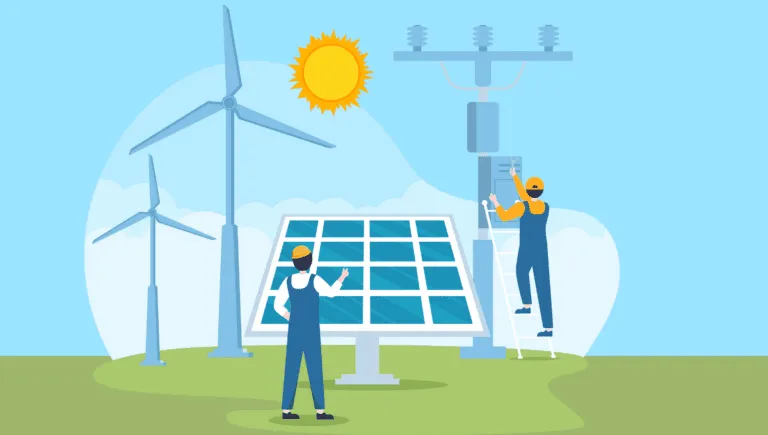
The climate for the energy and utilities industry is changing, in more ways than one. Not only are companies continuing to transition from fossil fuels, such as coal, oil, and natural gas, to renewable energy sources, such as solar and wind, but they’re also adjusting to the uncertainty of a new U.S. administration with dramatically different energy policies from those of its predecessor.
Leaders in the energy and utilities sector must equip their workforces to effectively navigate rapid and large-scale change. Success hinges on cultivating key workforce capabilities, including the agility and resilience necessary to adapt to shifting priorities, a growth mindset to learn emerging skills, and change management practices that help employees see the broader purpose behind ground-level initiatives.
The NeuroLeadership Institute (NLI) has partnered with companies across the energy and utilities industry, helping leaders build measurable, sustainable habits that scale throughout an organization. In our latest Industry Trends & Impacts Report, “Navigating a Changing Climate: Energy & Utilities,” we describe the essential skills energy and utilities workers need to power through change, and how NLI can help.
Industry challenges
The energy and utilities sector is navigating a complex transition as renewable energy becomes more competitive with traditional fossil fuels. Yet despite advancements, fossil fuels continue to dominate U.S. electricity generation. And with reduced federal prioritization, the transition to renewables now hinges largely on investment decisions by states and private industry.
Uncertainty in the industry is placing cognitive strain on employees, affecting their ability to focus on tasks. While leaders may not be able to provide certainty, research suggests that offering clarity in decision making and new developments can help employees manage change more effectively.
Leaders must implement strong change management strategies to prevent employees from feeling overwhelmed and burned out. Key approaches include monitoring cognitive capacity, fostering psychological safety to encourage open dialogue, and reinforcing accountability through clear expectations and meaningful connections to the organization’s mission.
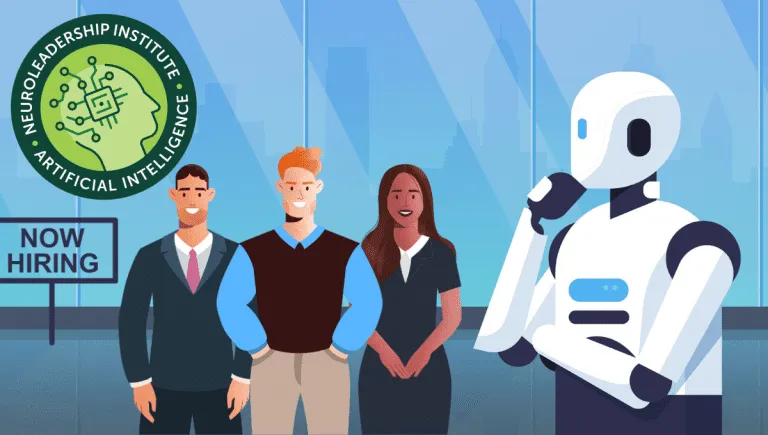
As the industry evolves, the workforce must develop flexible skill sets, particularly in green energy, software engineering, and artificial intelligence (AI). A growth mindset is essential for employees to continue learning and adapting to shifting industry needs. Generative AI, specifically cleantech AI, is emerging as a powerful tool to optimize supply chains and operational efficiencies, but leaders must be aware of biases in AI models to ensure informed decision making.
4 essential skills
The following capacities are essential for energy and utilities firms to stay adaptable and competitive in the face of rapid change and continued uncertainty:
Agility: With policy shifts and evolving consumer behavior, energy leaders must foster agility through quality conversations and real-time feedback, ensuring teams stay informed and responsive.
Change management and cognitive capacity: Executives and frontline leaders must ensure that employees responsible for executing changes aren’t overwhelmed by new strategies and directives. As teams are called to move quickly and take risks, maintaining a positive and energized frame of mind is crucial for clear thinking and decisive action.
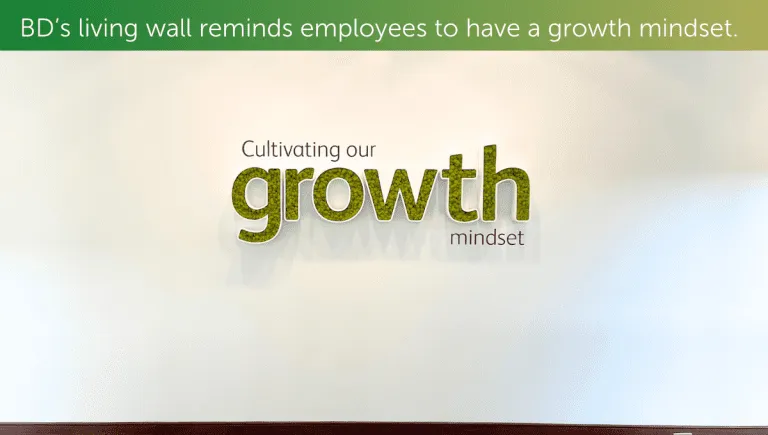
Growth mindset: Hiring managers and frontline leaders play crucial roles in shaping a resilient, future-ready workforce by fostering a growth mindset — where challenges are seen as opportunities for learning and improvement, rather than as threats. Hiring managers must prioritize building a strong talent pipeline, while leaders focus on upskilling current employees for emerging roles. The most competitive employees will be the “learn-it-alls,” not the know-it-alls.
Bias mitigation and creativity: While GenAI offers powerful capabilities, it can inadvertently reinforce biases within teams. Leaders must ensure AI models are designed to mitigate biases that give preferences to specific groups. They must also encourage employees to use AI as a tool for innovation — generating novel, creative ideas instead of entrenching existing biases or rehashing generic solutions.
Measurable results
NLI provides targeted programs to address each of these areas, helping energy and utilities professionals build the essential skills they need to thrive. Here’s a small sample of our industry-specific behavior change data:
- After completing GROW: The Neuroscience of Growth Mindset™, 99% of energy and utilities employees report feeling more effective in their roles.
- After completing NLI solutions focused on culture and leadership, 91% of energy and utilities workers reported practicing new key behaviors, such as emotional regulation techniques, at least once per week.
- After completing NLI solutions focused on diversity, equity, and inclusion, 81% of energy and utilities workers reported practicing new key behaviors, such as mitigating bias, at least once per week.
By prioritizing these essential skills, leaders can ensure their organizations remain resilient — both in response to industry transformation and the broader environmental challenges ahead.
Download the Industry Trends & Impacts Report, “Navigating a Changing Climate: Energy & Utilities,” by clicking here.














.png)

















.webp)